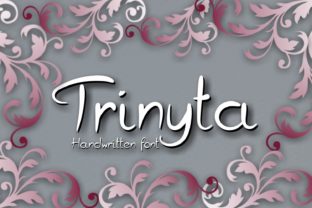
Trinyta: The Handwritten Typeface That Elevates Small Business Branding
As a small business owner, I know that every pixel counts. When you are building a brand from the ground up, your visual identity is often the first thing a potential customer notices. It is not just about having a good product; it is about how that product feels when it reaches their hands or appears on their screen. For years, I struggled to find a font that felt authentic yet professional enough for my growing list of clients. Then I discovered Trinyta, a fun and cool handwritten font with incredible style that has completely transformed how I approach design.
This Script Amp typeface is more than just a decorative element; it is a powerful tool for creating a smart and cool feel in any design project. Whether you are running a boutique, a café, or an online shop, the right creative font can bridge the gap between your vision and your customer's perception. Trinyta brings a human touch to digital and print materials, making your brand feel approachable, trustworthy, and memorable.
Why Your Brand Needs a Personality-Driven Typeface
In a crowded marketplace, generic templates make it hard to stand out. Many entrepreneurs rely on default system fonts that look clean but lack character. While clean is good, it is not always distinctive. This is where a premium font like Trinyta becomes essential. Its unique handwriting style injects personality into your logo design, packaging design, and social media graphics without looking messy or unprofessional.
When customers see a consistent visual voice across all your touchpoints, they subconsciously trust you more. A handwritten font suggests that real people created the product, which is vital for handmade goods, artisanal foods, and personal services. Trinyta strikes a perfect balance between casual charm and modern typography, allowing you to maintain a polished image while still feeling relatable.
Real-World Applications for Every Business Touchpoint
The versatility of this commercial font makes it suitable for a wide range of business materials. I have found myself reaching for Trinyta whenever I need to add a layer of warmth to my branding assets. Here is how I use it across different platforms:
- Logo Design: Using Trinyta as the primary display font gives a boutique or coaching business an instant signature look. It works beautifully as a custom logotype that feels personal and exclusive.
- Packaging and Product Labels: For candle makers or soap sellers, applying this script font to labels creates a high-end, crafty aesthetic. It elevates simple packaging into something customers want to keep and share.
- Social Media Graphics: Instagram posts and Pinterest pins often get lost in feeds. A bold headline in Trinyta grabs attention immediately. It turns standard promotional images into eye-catching content that stops the scroll.
- Menus and Flyers: Café owners can use this font to create inviting menus that feel handwritten by the chef. It adds a cozy vibe that digital sans serif fonts simply cannot replicate.
- Thank-You Cards and Stickers: Adding a personal note with Trinyta on order inserts or stickers makes customers feel valued. It transforms a transaction into a relationship.
Mastering Readability and Professionalism
One common concern with handwritten fonts is legibility, especially on mobile screens or small product labels. However, Trinyta is designed with clarity in mind. It maintains its fluid, expressive strokes while remaining easy to read at various sizes. When used correctly, it ensures your message is clear without sacrificing style.
I recommend using Trinyta primarily as a headline or accent font rather than for long blocks of text. For body copy, stick to a clean sans serif font or a readable serif font. This strategy creates a balanced hierarchy. Imagine a website banner where the main offer is written in the cool, stylish Trinyta, while the details below are in a crisp, neutral sans serif. This contrast guides the eye and keeps the design looking organized and professional.
For web design, this pairing technique is crucial. If you try to read a paragraph entirely in a script font, it can become visually exhausting. By limiting Trinyta to titles, buttons, and short phrases, you ensure that your website remains accessible and user-friendly while still showcasing your unique brand identity.
Simple Font Pairing Strategies for Cohesive Brands
To get the most out of this typeface, understanding font pairing is key. The goal is to let Trinyta shine while ensuring the rest of your text supports it. Since Trinyta is already quite expressive, it pairs best with understated, geometric typefaces.
- Script and Sans Serif: This is the most popular combination for modern brands. Pair Trinyta with a minimalist sans serif font like Montserrat or Open Sans. The neutrality of the sans serif allows the handwritten flair of Trinyta to take center stage.
- Script and Serif: For a more classic or elegant look, such as a wedding planning service or a luxury beauty brand, pair Trinyta with a traditional serif font. This combination suggests heritage and sophistication.
- Display and Display: In rare cases, you might pair two distinct display fonts, but be careful. Ensure they do not compete for attention. Usually, keeping one font as the hero (Trinyta) and the other as a subtle support yields better results.
Testing Before You Commit
Before downloading and using Trinyta across your entire brand identity, I strongly advise testing it in real-world scenarios. Typography is subjective, and what looks great on a computer monitor might behave differently when printed on a sticky label or displayed on a small mobile thumbnail. Create mockups for your specific needs—try printing a sample menu, designing a sticker sheet, or drafting an Instagram story.
Ask yourself if the font conveys the right mood. Does it feel "smart and cool" as described? Does it align with your target audience? If you are selling eco-friendly products, does the organic flow of the handwriting fit? If you are in tech, perhaps a slightly bolder version works better. Testing ensures that the investment in this design asset pays off in stronger brand recognition.
Licensing Matters for Commercial Success
Finally, remember that using a font commercially requires the correct license. As an entrepreneur, protecting your business means respecting intellectual property. Before using Trinyta on physical products, merchandise, client work, or digital downloads, verify that you have purchased a commercial font license. This protects you from legal issues and ensures you are supporting the designers who create these valuable design assets.
A proper license grants you the freedom to use the font in logos, packaging, advertising, and web design without restrictions. Whether you are scaling up from a home kitchen to a full retail line or launching a new service, having the right legal footing allows you to focus on growth. With the right license, Trinyta becomes a permanent part of your toolkit, ready to help you build a consistent, professional, and recognizable brand that stands out in today's competitive market.
By integrating Trinyta into your marketing materials, you are making a strategic decision to prioritize connection and style. It is a small change in typography that can lead to big improvements in how your business is perceived. From the moment a customer sees your logo to the time they open your package, the smart and cool feel of this handwritten font works silently to build trust and loyalty.